

 ไทย
 中文 (中国)
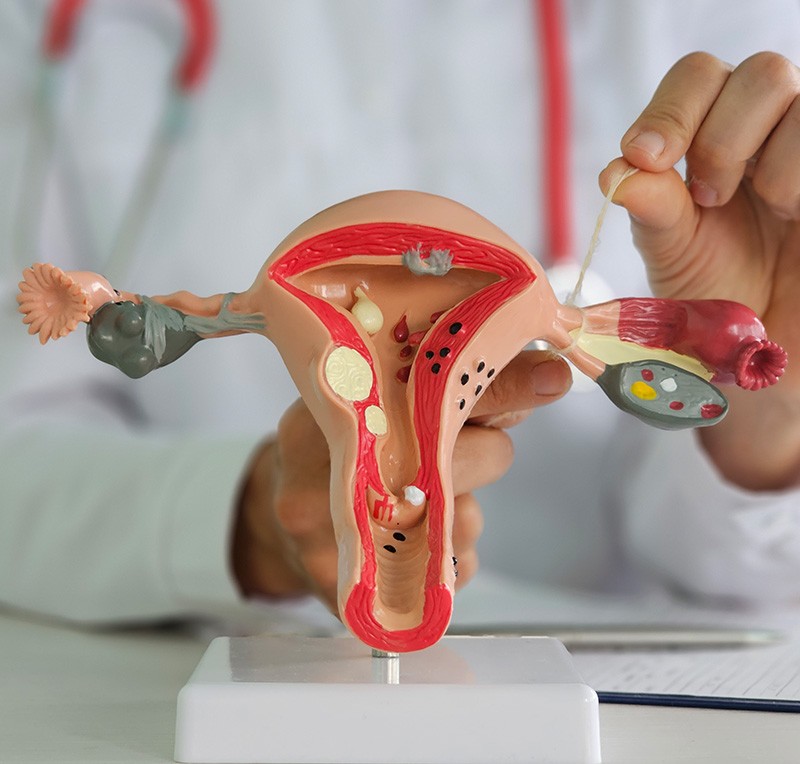
What is IUI?
Intrauterine Insemination (IUI) is a simple and commonly used fertility treatment in which carefully prepared sperm from the male partner is placed directly into the uterus at the time of ovulation. By delivering sperm closer to the egg, IUI increases the chances of fertilization while still allowing the process to occur naturally inside the body.
This procedure is often recommended as the first step in fertility treatment because it is less invasive, relatively affordable, and closely resembles natural conception compared with more advanced assisted reproductive techniques. IUI offers a success rate of approximately 10–15% per cycle.
Success Rates and Candidates
Because IUI still relies heavily on natural biological processes, success rates vary depending on age and reproductive health. It is suitable for:
- ✦Women under the age of 35
- ✦Newly married couples beginning their fertility journey
- ✦Men with mildly reduced sperm motility or count
- ✦Women with no fallopian tube blockages or severe pelvic adhesions
Studies show that the cumulative pregnancy rate reaches a plateau after the sixth attempt. To reduce potential side effects—especially from ovulation-stimulating medications—most doctors recommend not exceeding 6 IUI cycles. If pregnancy does not occur after several attempts, doctors advise transitioning to IVF or ICSI.
FAQ
Why is IUI necessary?∨
Infertility problems can be caused by sperm being unable to reach the egg. Normally, a single ejaculation contains around 200 million sperm, but due to vaginal acidity and cervical resistance, only 200–500 sperm reach the fallopian tubes.
IUI concentrates sperm and injects it directly into the uterine cavity, shortening the travel distance and scheduling the insemination exactly on the day of ovulation before the egg deteriorates.
Suitable for men with: Mild sperm motility/concentration issues with at least 5 million motile sperm.
Suitable for women: Under 30 years old, cervical stenosis, chronic anovulation (PCOS), irregular periods, using frozen sperm, or at least one healthy fallopian tube.
Not suitable for: Blocked fallopian tubes on both sides, severe pelvic adhesions, fewer than 1 million sperm, or prior sterilization (ICSI/IVF is recommended instead).
Advantages of IUI∨
- A basic, natural fertility solution that is simple and less invasive than IVF.
- More affordable than IVF/ICSI.
- Ideal for couples using frozen sperm.
- Can be performed without stimulating medications in select cases.
Limitations of IUI∨
- The catheter insertion may cause mild cervical irritation or cramping, but does not affect pregnancy.
- Multiple (twin) pregnancies can occur if ovulation stimulation causes more than one egg to release.
- Risk of infection is extremely rare.
What are the chances of successful pregnancy after IUI?∨
IUI increases the success rate by 5–6 times compared to unassisted natural timing, offering an average success rate of 10–15% per cycle depending on sperm and egg quality.
Preparing for IUI∨
Lifestyle Changes: Eat high-protein foods, fruits, and vegetables; reduce refined carbs and sugar. Do 30–45 mins of cardio exercise 3–4 times/week. Sleep 6–8 hours (before 11 p.m.) and manage stress.
Supplements: Women focus on Folic acid, Astaxanthin, CoQ10, Vit C, Vit E. Men focus on Astaxanthin, CoQ10, and Zinc.
Blood Work & Screening: Women undergo CBC, Blood group, HIV, VDRL, HBsAg, Rubella, Thalassemia, hormone tests, and TVS ultrasound. Men undergo Routine Blood work and Sperm Count analysis (abstain from ejaculation for 3–5 days prior).
IUI Procedure∨
- Day 2–3 of period: Start oral or injectable ovulation stimulation.
- Around Day 12: Monitor follicle size via ultrasound and administer HCG trigger shot.
- 1–2 days post-trigger: Male partner provides sperm sample for lab preparation (1–2 hours).
- Insemination: Sperm is injected into the uterus via a fine catheter (20–30 mins, no anesthesia required).
Post-IUI Care and Instructions∨
Rest quietly on the first day. Avoid sexual intercourse for 1–2 days post-procedure, then resume normal sexual activity after 2–3 days to enhance chances. Test for pregnancy via home urine test or Beta-HCG blood test at the clinic 2 weeks after insemination.
Summary
IUI delivers prepared sperm directly into the uterus on ovulation day, significantly increasing pregnancy chances over natural intercourse. However, if multiple IUI attempts have been unsuccessful, both partners should consult a fertility specialist for comprehensive evaluations rather than repeating ineffective cycles, transitioning if necessary to IVF/ICSI.


